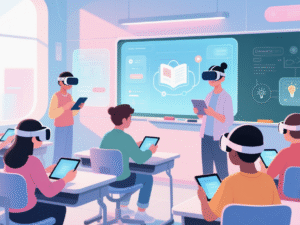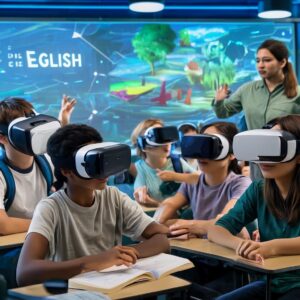
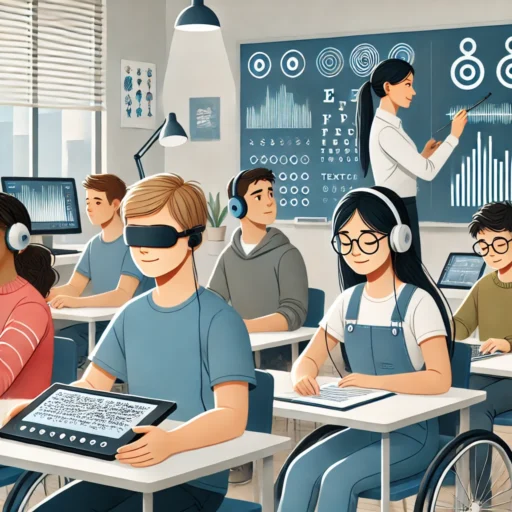

Inclusive education is the cornerstone of effective teaching, ensuring that all students, regardless of their abilities, have equal access to learning. Universal Design for Learning (UDL) provides a flexible framework that accommodates diverse learning needs. Assistive technologies (AT) play a crucial role in UDL by offering multiple means of engagement, representation, and expression. In this blog post, we explore some of the most effective assistive technologies used in UDL and how they empower students to succeed.
1. Text-to-Speech (TTS) Software
Students with reading difficulties benefit from TTS software, which converts digital text into spoken words, improving comprehension and accessibility.
2. Speech-to-Text (STT) Software
For students who struggle with writing, STT software enables them to dictate responses, making communication more accessible.
3. Screen Readers
Visually impaired students can access digital content through screen readers, which read aloud on-screen text.
4. Augmentative and Alternative Communication (AAC) Devices
Students with speech impairments use AAC devices to communicate through text, symbols, or speech synthesis.
5. Digital Note-Taking Tools
Organizing notes in multiple formats benefits students with cognitive challenges and learning disabilities.
6. Adaptive Keyboards and Mice
Students with physical disabilities can use specialized input devices to access digital content efficiently.
7. Closed Captioning and Transcription Services
Hearing-impaired students can access spoken content through captions and real-time transcription.
8. E-Books and Digital Libraries
Customizable text formatting allows students to modify content based on their needs.
9. Graphic Organizers
Visual learners benefit from tools that help structure ideas and improve comprehension.
10. Educational Apps and Gamified Learning
Interactive learning tools keep students engaged and motivated.
Final Thoughts
Assistive technologies are transforming education by making learning more inclusive and accessible for all students. By integrating these tools into UDL strategies, educators can create a more supportive learning environment that caters to diverse needs. Explore these technologies and find the ones that best fit your students’ needs!
Do you have experience using any of these tools? Share your thoughts in the comments below!